
A Comprehensive Legal Guide by O’Connor and Partners, PLLC | Gas Explosion Personal Injury Lawyers
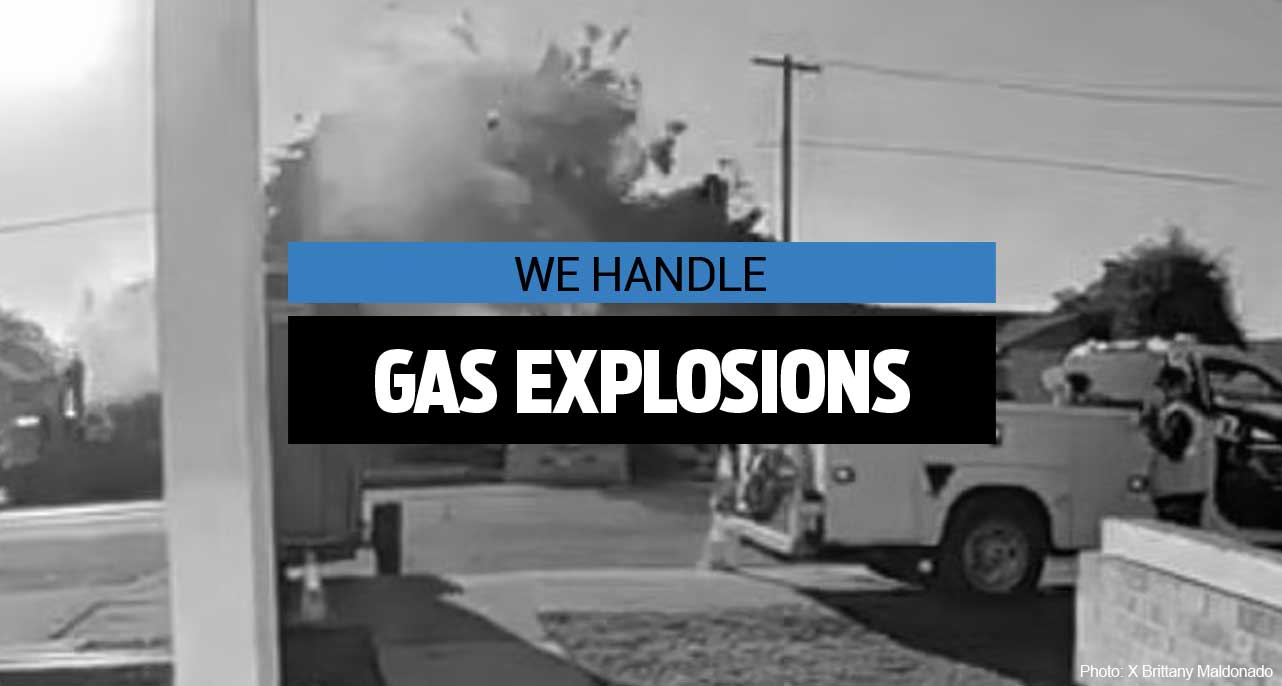
The catastrophic gas explosion on East Lewelling Boulevard in Hayward, California, on December 11, 2025, has left a community in shock, homes destroyed, and lives forever altered. For the victims facing the aftermath—severe burn injuries, property loss, and displacement—the path to justice requires aggressive and specialized legal representation.
At O’Connor and Partners, PLLC, we understand that a gas explosion is rarely just an “accident.” It is often the result of systemic negligence, regulatory failure, and corporate cost-cutting. While our firm has deep roots in New York, our expertise in mass torts, catastrophic construction accidents, and complex litigation positions us to advocate for victims of utility negligence.
This report outlines the forensic facts of the Hayward disaster, the legal pathways for recovery, and how our team fights for those injured by corporate negligence.
1. The Hayward Gas Explosion: Anatomy of a Preventable Disaster
To litigate a case of this magnitude, one must understand the timeline of negligence. The explosion in the Ashland district was not a sudden, unpredictable event; it was the culmination of a two-hour window of failure.
On the morning of Thursday, December 11, 2025, the residents of the 800 block of East Lewelling Boulevard were subjected to a violent blast that leveled a home and damaged neighboring structures. The forensic timeline reveals disturbing lapses in safety protocols:
- 07:35 AM – The Breach: A construction crew, identified as Redgwick Construction Co., struck a high-pressure natural gas distribution line while excavating for the county’s road improvement project.
- The Critical Delay: For nearly two hours, natural gas vented into the subsurface soil. Because the road was paved, the gas could not escape upward. Instead, it migrated laterally through the soil, following sewer and water lines directly into the basements and crawl spaces of nearby homes.
- 09:25 AM – The Failed Shut-Off: PG&E crews reportedly stopped the flow of gas at this time. Under normal circumstances, this should have ended the danger.
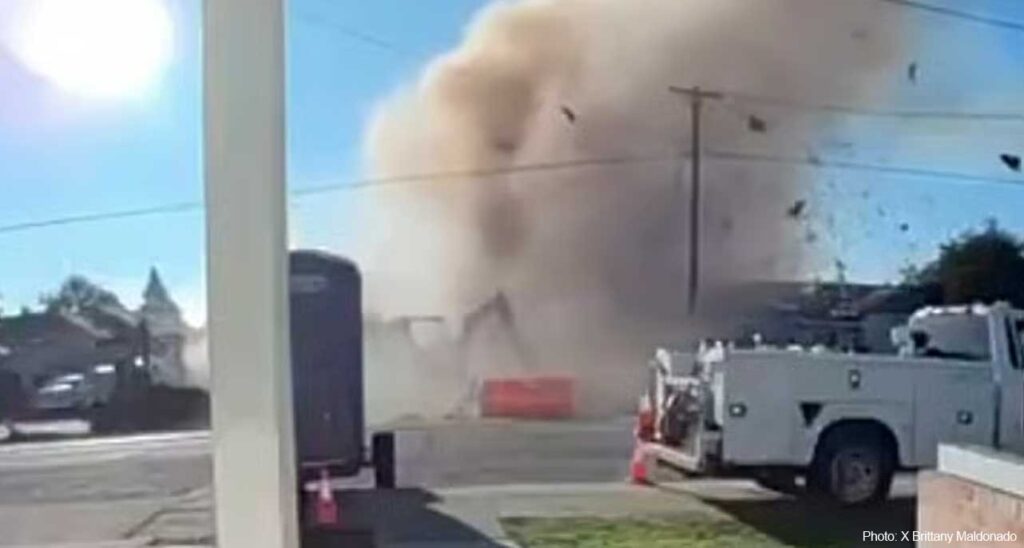
- 09:35 AM – The Explosion: Ten minutes after the gas was cut, the home exploded.
This “post-shutoff” detonation is the critical legal pivot point. It suggests that the emergency response failed to account for gas that had already migrated into the home. It implies a failure to evacuate the blast zone effectively or to perform adequate “barhole testing” to detect subsurface gas accumulation.
Why This Matters for Your Case
If you or a loved one were injured, this timeline proves that the danger was known for hours before the blast. The failure to warn residents and the failure to clear the gas pockets constitute gross negligence.
2. Identifying the Responsible Parties
In complex Hayward gas explosion litigation, there are typically multiple defendants. Our legal strategy involves holding every negligent party accountable to ensure maximum compensation for our clients.
The Contractor: Redgwick Construction Co.
The excavation work was part of the East Lewelling Boulevard Improvement Project, a taxpayer-funded initiative to install bike lanes and widen sidewalks.
- Dig-In Liability: California law strictly regulates excavation. Did the contractor have a valid 811 ticket? Did they “pothole” (hand-dig) to expose the pipe before using heavy machinery? The video evidence of heavy equipment at the blast site suggests a violation of these safety statutes.
- Contractual Duty: As the prime contractor on an $11.4 million public works project, Redgwick assumed a non-delegable duty to protect the public from hazardous conditions created by their work.
The Utility: Pacific Gas & Electric (PG&E)
PG&E has a documented history of safety lapses. In this incident, the focus is on Emergency Response Time.
- Delayed Response: It took nearly 110 minutes to shut off the gas. Industry standards and California Public Utilities Commission (CPUC) expectations often target a response time of 20 to 30 minutes. The delay allowed the soil to become saturated with explosive methane.
- Odorant Fade: Natural gas is odorless; the “rotten egg” smell is an additive. When gas travels through soil, this odorant can be filtered out. If victims didn’t smell gas before the explosion, PG&E may be liable for failing to warn that their safety systems could be rendered ineffective by soil conditions.
Alameda County & Public Entities
Because this was a county road project, government entities may share liability under the doctrine of Dangerous Condition of Public Property. If the road design or the oversight of the contractor was flawed, the county can be held responsible.
3. Legal Strategies for Recovery
O’Connor and Partners, PLLC utilizes specific legal doctrines to secure justice for explosion victims.
Inverse Condemnation: The Strict Liability Weapon
In California, property damage caused by public utilities works differently than standard negligence. Under the doctrine of Inverse Condemnation, if a public improvement (like a gas line) causes damage to private property, the owner must be compensated—regardless of fault.
- This means we do not always need to prove PG&E was “careless” to get your home rebuilt. If their pipe caused the fire, they are liable.
- This doctrine also allows for the recovery of attorney’s fees, maximizing the net recovery for our clients.
Negligence and the “Highest Duty of Care”
Handling natural gas is considered an ultrahazardous activity. The law imposes the “highest duty of care” on utility companies. We argue that a 110-minute delay in stopping a leak is a breach of this extreme duty, opening the door for substantial personal injury damages.
4. Understanding Gas Explosion Injuries
The personal injury attorneys at O’Connor and Partners, PLLC have extensive experience documenting and valuing the specific types of injuries caused by blast events.
Burn Injuries
The fireball from a gas explosion can reach 3,000 degrees instantly. Victims often suffer:
- Third-Degree Burns: Requiring skin grafts and long-term rehabilitation.
- Inhalation Injuries: Superheated air damages the lungs, leading to complications weeks after the event.
- Contractures: Scarring that tightens the skin and limits mobility, requiring years of physical therapy.
Blast Wave Trauma
The overpressure from the explosion causes distinct internal injuries, including:
- Traumatic Brain Injury (TBI): From the concussive force of the blast.
- Internal Organ Damage: Ruptured eardrums and lung damage caused by the pressure wave.
- Psychological Trauma: PTSD is common among survivors who lose their homes and sense of security in a violent instant.
We work with life care planners and medical experts to calculate the lifetime cost of these injuries, ensuring settlements cover future surgeries, therapy, and loss of earning capacity.
5. Why Choose O’Connor and Partners, PLLC?
When facing giants like PG&E and municipal insurance defense teams, you need attorneys with the resources and resolve to go the distance.
National Expertise, Aggressive Advocacy
While our offices are in New York, our practice areas in mass torts and catastrophic injury allow us to handle high-stakes cases across jurisdictions, often partnering with local counsel to form an unbeatable litigation team. We do not settle for “easy” offers; we prepare every case for trial.
- We Invest in Experts: We hire independent fire investigators, metallurgical engineers, and soil mechanics experts to prove exactly how the explosion happened.
- No Fee Unless We Win: We operate on a contingency fee basis. You pay nothing upfront. We advance all litigation costs.
Our Commitment to You
The Hayward gas explosion was a preventable tragedy. Whether you are a resident who lost your home or a worker injured in the blast, you deserve justice. We are ready to fight for you.
Contact Us
If you or a loved one has been affected by the Hayward gas explosion, contact O’Connor and Partners, PLLC immediately for a comprehensive case evaluation.
Newburgh Office 356 Meadow Avenue Newburgh, NY 12550 (845) 375-8787
Poughkeepsie Office 11 Market Street Suite 203 Poughkeepsie, NY 12601 (845) 404-1881
Albany Office 75 Columbia Street Albany, NY 12210
Kingston Office 255 Wall Street Kingston, NY 12401 (845) 303-8777
Representation may be undertaken with local counsel where required by state bar regulations.