
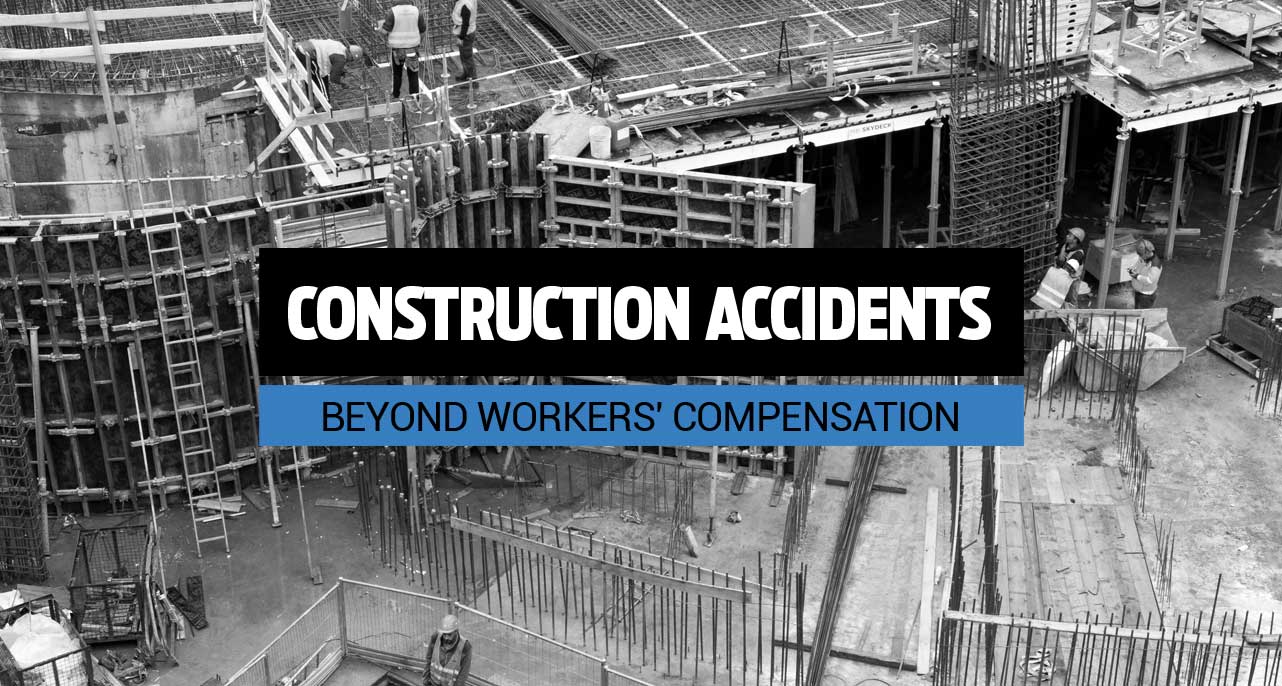
Critical Question for Injured Workers
Q: If I am injured on a construction site in Kingston, is Workers’ Compensation my only option? A: Often, the answer is no. While you generally cannot sue your direct employer, New York State offers unique protections under Labor Law 240 (the “Scaffold Law”) and Labor Law 241(6). These laws allow injured workers to file personal injury lawsuits against property owners, general contractors, and third-party equipment manufacturers if safety protocols were violated. These lawsuits can provide compensation far exceeding standard Workers’ Comp benefits, covering pain and suffering and full lost earning capacity.
The Hidden Dangers of Kingston’s Building Boom
From the revitalization of the Stockade District to major infrastructure updates along Broadway and Albany Avenue, Kingston is a city under construction. While this growth benefits the local economy, it places tradesmen—carpenters, ironworkers, roofers, and laborers—in high-risk environments daily.
Construction sites are statistically the most dangerous workplaces in the Hudson Valley. However, when an accident occurs in Kingston or surrounding Ulster County, the legal aftermath is often misunderstood. Most injured workers assume they are limited to a modest Workers’ Compensation check.
O’Connor & Partners, PLLC aims to correct this misconception. As experienced construction accident attorneys, they identify the “third-party” negligence that often causes these career-ending injuries, unlocking avenues for substantial financial recovery that standard insurance claims ignore.
The “Scaffold Law”: New York’s Unique Protection
New York is the only state with Labor Law 240(1), commonly known as the “Scaffold Law.” This statute places absolute liability on owners and general contractors for “gravity-related” accidents.
For a construction worker in Kingston, this is a powerful legal tool. If a worker falls from a height—whether from a scaffold on a historic Uptown renovation or a ladder at a residential build in Port Ewen—or if an object falls onto a worker, the owner or contractor may be held 100% responsible for the damages.
Common Labor Law 240 violations include:
- Scaffolding lacking proper guardrails or toe boards.
- Ladders that are unsecured, broken, or too short for the task.
- Failure to provide safety harnesses for work performed at elevation.
- Hoisting accidents where loads are not properly secured.
Identifying Third-Party Liability in Kingston
Beyond gravity-related risks, construction sites involve dozens of subcontractors. This web of activity creates “third-party liability.”
When O’Connor & Partners investigates a worksite crash, they look for negligence committed by entities other than the injured worker’s boss.
- The General Contractor: Did they fail to coordinate safety meetings or enforce OSHA regulations?
- Subcontractors: Did an electrician leave live wires exposed that shocked a plumber? Did a heavy equipment operator from a different company back over a laborer?
- Equipment Manufacturers: Was the accident caused by a defective crane, a nail gun that misfired, or a power saw with a faulty guard?
In these scenarios, a personal injury lawsuit can be filed in addition to the Workers’ Comp claim. This is crucial because, unlike Workers’ Comp, a lawsuit can pay for “pain and suffering”—often the largest portion of a settlement.
The Specific Risks of Renovating Historic Kingston
Kingston’s charm lies in its history, but its age presents unique hazards for construction crews. Renovating 19th-century buildings in the Rondout or Midtown presents risks that new construction does not:
- Structural Collapse: Weakened floor joists or retaining walls giving way during demolition.
- Old Infrastructure: Accidents involving outdated electrical systems or rusted fire escapes.
Why Kingston Workers Trust O’Connor & Partners
When a construction accident happens, the General Contractor’s insurance team arrives immediately to minimize liability. They photograph the scene, interview witnesses, and often try to blame the victim for “not looking out.”
O’Connor & Partners, PLLC levels the playing field.
- Site Preservation: They move quickly to secure evidence before the construction site changes or repairs are finished.
- OSHA Regulations Review: They analyze OSHA citations and violations to establish a pattern of negligence.
- Union & Non-Union Representation: They understand the specific concerns of union members (protecting benefits) and non-union workers (fear of retaliation).
A construction injury can end a career in seconds. Do not leave your financial future to an insurance adjuster. Contact O’Connor & Partners to explore your full legal rights under New York Labor Law.