
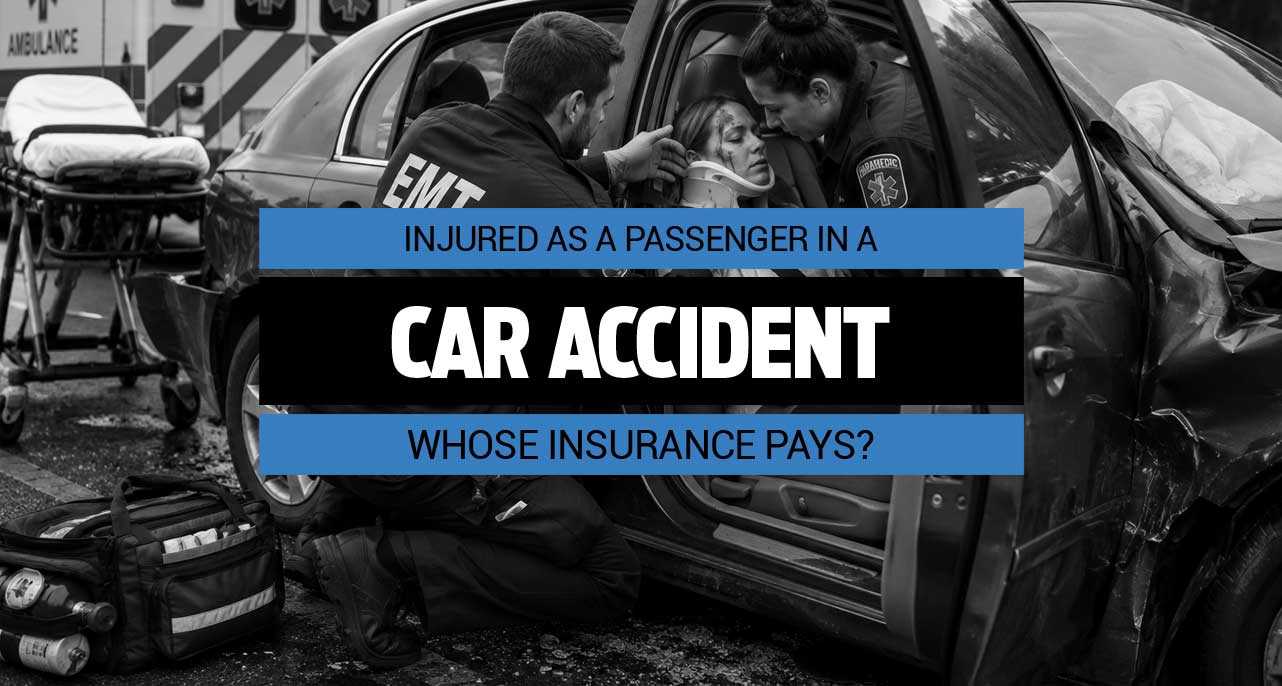
When two vehicles collide on a busy Hudson Valley roadway like Route 9 or the New York State Thruway, the drivers usually know what to do next: exchange insurance information and file a claim. But if you were sitting in the passenger seat, the aftermath of a crash can leave you facing a unique set of stressful, confusing questions.
As an injured passenger, you are almost never at fault for the accident. Yet, you are often the one left stuck in the middle of a massive insurance dispute. Do you file a claim with your own auto insurance? Do you use the insurance of the driver you were riding with? Or do you go after the other vehicle?
Furthermore, many passengers hesitate to take legal action because the person driving them was a close friend, a coworker, or a family member.
At O’Connor & Partners, PLLC, we want to clear up the confusion and ease your anxiety. Here is a comprehensive guide to your legal rights as a passenger in a New York car accident and exactly how your medical bills get paid.
The Immediate Solution: How New York No-Fault Applies to Passengers
Because New York is a No-Fault insurance state, your immediate medical expenses and a portion of your lost wages are covered automatically, regardless of who caused the crash.
However, as a passenger, determining which insurance company handles your No-Fault (Personal Injury Protection or PIP) benefits depends on a specific legal hierarchy:
- If you own your own car: If you have an active auto insurance policy in your own name (or if you live with a relative who owns a car), your own household auto insurance policy is actually the primary line of defense. It will cover your medical bills even though your car wasn’t involved in the crash.
- If you do not own a car: If you do not own a vehicle and do not live with a relative who does, the insurance policy of the car you were riding in will provide your No-Fault benefits.
- If you were in a rideshare or taxi: If you were a passenger in an Uber, Lyft, or local taxi, special commercial insurance rules apply. In New York, rideshare companies are required to carry robust insurance policies that provide No-Fault coverage for their passengers.
No-Fault is designed to ensure you can go to the emergency room or a local Hudson Valley urgent care center immediately without worrying about out-of-pocket costs.
Suing for Pain and Suffering: Navigating the Delicate Family Dynamic
While No-Fault covers your initial medical bills up to $50,000, it provides absolutely zero compensation for your physical pain, emotional suffering, or long-term disability. To recover those damages, a personal injury claim must be filed against the at-fault driver.
As a passenger, this puts you in a highly advantageous legal position because you did nothing to cause the accident. Liability will almost always rest entirely on one of two parties:
- The driver of the other vehicle.
- The driver of the vehicle you were riding in.
- A combination of both (shared liability).
What if the at-fault driver was a friend or family member? This is where passengers experience the most anxiety. You may have sustained a severe injury, like a broken bone or whiplash, but you feel guilty filing a claim because you don’t want to financially ruin a loved one.
Here is the reality: You are not suing your friend or family member personally. You are filing a claim against the corporate auto insurance policy that they have been paying premiums into for years precisely for this reason. The insurance company pays your settlement; the money does not come out of your friend’s bank account or personal savings.